

Co-creation is a person's conscious participation in building their own reality. It does not mean controlling everything that happens or imagining a desire and waiting for it to appear on its own. The process involves intention, thoughts, emotions, choices, and attitudes organized in the same direction.
In this article, you will understand co-creation as conscious participation in reality, why thinking alone is not enough, the role of intention and certainty, and how thoughts and emotions form programming.
Continue reading to follow how a possibility transforms into a concrete experience.
Co-creation as conscious participation in reality
Co-creation is the ability to influence reality through intention. It does not mean imagining anything and waiting for it to appear. It means participating in the process of building our own lives, directing thoughts, feelings, choices, and actions toward what we wish to accomplish.
The word co-creation shows that we do not create everything alone. We participate in creation together with a greater consciousness, which may be called God, the universe, or divine intelligence. We define the intention, while reality organizes the paths so that possibility can manifest.
This process takes place throughout life, even when we are not aware of it. Repeated thoughts, fears, certainties, and expectations create inner programming. This programming influences how we act and also the situations with which we come into contact.
Why thinking alone is not enough in co-creation
Thinking about something is only the beginning of the process. The mind can create images, repeat phrases, and imagine results, but this does not mean that a firm intention exists. Many people mentalize for years and continue living in exactly the same way.
This happens because thought can say one thing while feeling affirms another. We think about prosperity but feel afraid of earning money. We imagine a new profession but believe we are not capable. We desire change but maintain the certainty that nothing will work out.
When thought and feeling are in conflict, the deeper programming tends to prevail. There is no point repeating that something is possible while an inner conviction of failure exists. Co-creation requires coherence between what we think and what we truly feel.
Intention as the direction of the process
Intention differs from a passing wish. We may want many things during the day without inwardly committing to any of them. Intention appears when there is a defined direction and when we begin to organize our own lives according to that direction.
When intention is clear, it functions as programming. We begin to perceive information, opportunities, and possibilities that previously went unnoticed. This is not because they appeared magically at that moment, but because there is now an inner direction capable of recognizing them.
A confused intention produces equally confused results. When we do not know exactly what we desire, we constantly change objectives and send contradictory commands. For co-creation to exist, we need to understand what we desire and why it is important.
How thoughts and emotions form programming
Repeated thoughts create patterns. The longer an idea is maintained, the more natural it seems. After some time, we stop questioning it and begin making decisions based on it, even when that idea no longer corresponds to present reality.
Emotions strengthen this programming. A thought accompanied by fear, guilt, or resentment has an effect different from a passing idea. Emotion gives strength to mental content and keeps it active, influencing behaviors and interpretations.
Therefore, programming does not occur only when we perform a mentalizing exercise. It happens throughout the day. Every repeated complaint, every fear we feed, and every certainty we maintain contributes to the inner state from which we live.
The role of certainty in co-creation
Desiring is not the same as having certainty. In desire, we recognize that we do not yet possess what we seek. We look at the goal as something distant and keep our attention on lack. The greater the anxiety, the stronger the perception of absence becomes.
Certainty is a different inner state. It does not depend on repeating phrases all the time or trying to convince the mind. We feel that the possibility is part of our lives and stop treating the result as something impossible or distant.
This certainty should not be confused with arrogance or fantasy. It needs to be accompanied by balance, responsibility, and the capacity to sustain what is being sought. When real certainty exists, we act more confidently and respond better to opportunities.
How a possibility transforms into experience
Within co-creation, collapsing means transforming a possibility into a concrete experience. Before anything exists in the physical world, it begins as an idea, intention, or project. Then, the possibility passes through stages until it takes on a material form.
A house begins as a thought, then becomes a drawing, planning, the purchase of materials, and construction. A business begins as an idea, passes through organization, and reaches the public. Manifestation does not happen all at once. It follows a process until it becomes reality.
De-collapsing happens when this process is interrupted. We begin programming, but then change direction, lose confidence, or abandon the necessary actions. The possibility stops advancing and returns to the field of ideas without reaching fulfillment.
Co-creation and prosperity on the same path
Co-creation also appears when the subject is prosperity because material results do not arise separately from the inner state. Beliefs about money, deservingness, work, and capability influence how we recognize opportunities and allow ourselves to move forward.
When the ego directs the process, there is urgency. We want the result immediately because we need it to feel better. We do not consider whether we are prepared, whether we can maintain the achievement, or what consequences will arise afterward.
Therefore, the study of co-creation and prosperity helps place this subject in a broader context. Intention needs to move together with maturity, responsibility, and the ability to sustain what is being sought.
Co-creation as a daily practice
Co-creation appears in the decisions made every day. We desire a result, find a possibility, and choose what to do with it. Each decision can bring us closer to or farther away from what we intend to build.
Those who want a new profession need to study, gain experience, and prepare. Those who seek prosperity need to learn how to work, manage resources, and recognize opportunities. Intention creates a direction, but fulfillment occurs through concrete actions.
Therefore, co-creating does not mean waiting. It means maintaining a clear intention, working with inner programming, and acting when paths appear. Reality offers possibilities, but we need to choose, go through each stage, and sustain the process until the result arrives.
Frequently Asked Questions
Co-creation is a person's conscious participation in building their own reality through intention, thoughts, emotions, choices, and actions.
No. Positive thinking can help, but co-creation requires inner coherence, changes in programming, perception of opportunities, and practical action.
Intention organizes our inner direction. When it is clear, we perceive possibilities more effectively, make more coherent choices, and sustain the process.
The main sign is coherence among what we desire, what we feel, what we choose, and the actions we maintain in daily life.
Deepen your practice of co-creation and prosperity
Understanding co-creation helps us see that reality does not change merely because an idea was repeated in the mind. The process requires clarity, emotional coherence, transformation of beliefs, and attitudes sustained over time.
Mental Code of Prosperity explores this path in depth for those who want to reorganize their relationship with money, purpose, choices, and the construction of more conscious results.
Explore Mental Code of Prosperity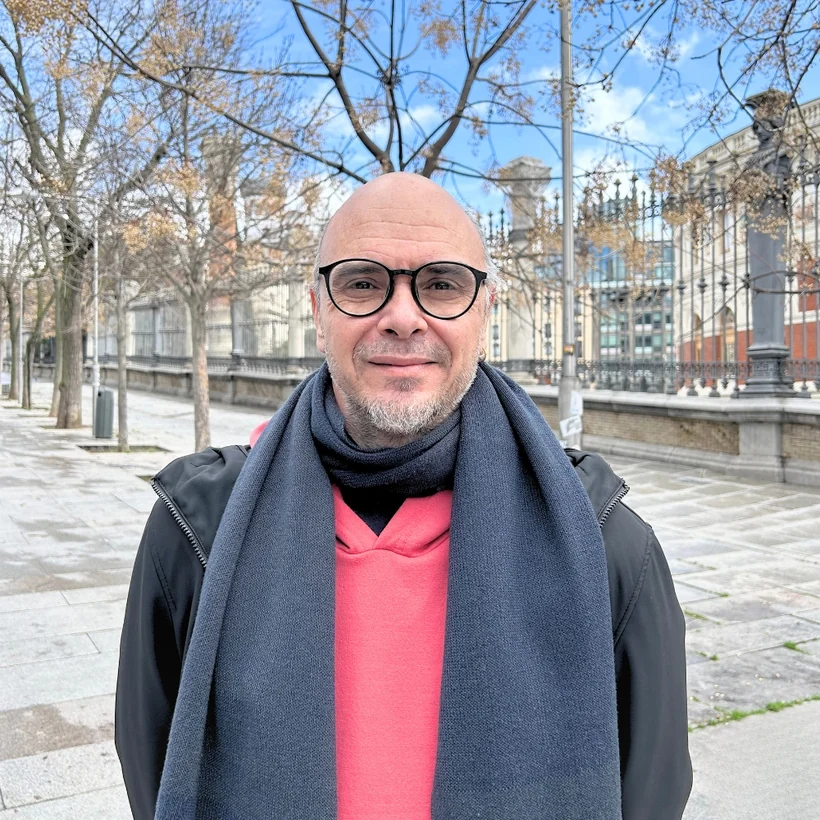
About the author
Prof. Tibério Z has more than 30 years of experience teaching spirituality, metaphysics, holistic therapies and consciousness development.